

The latest retail sales report was very encouraging with a 1.7 percent month over month increase, beating expectations of 1.0 percent. Many retailers are back to, or exceeding 2019 levels. The outlook is mildly positive, given all the issues in front of them. However, things weren’t so positive when the pandemic hit. A lot of the change happened with retailers transforming their businesses and becoming creative in sales and plans.
The Pandemic Hits
Before the pandemic, there was a movement that already started transforming to digital. It was slow, but it was going there. Amazon was the leader, others had ecommerce stores, but there wasn’t a large presence for most brands. Current CEOs were really interested in their brick and mortar stores because that’s where their profits came from. E-commerce and online stores existed, but they tended to just be an extension of their current stores without anything unique to promote e-commerce. The pandemic changed that.

Once the pandemic hit, most stores had 80-90% of their sales thru brick and mortar. First came the shutdowns, which drove layoffs. Two types of retailers emerged, those that went bankrupt and those that quickly pivoted. The retailers that were over-leveraged tended to be the ones that went bankrupt, and those that had strong businesses were able to weather the storm.
Retailers had to think quickly and act decisively to stay afloat. One unfortunate outcome was layoffs. Only critical employees were retained. Second, was inventory management and having open lines of communication with vendors. Retailers had to turn off inventory flow and hold off on payments if possible. Then once the stores were able to open, significant changes then needed to occur.
Changes

Retailers have changed since the pandemic in many ways. First, online presence has accelerated. Online sales now account for 30-40% of sales as opposed to 10-20%. Retailers have created an online presence that is unique from brick and mortar – unique promotion, unique products, unique delivery. It’s a different type of selling and once it was treated unique, these sales started to take off. The next area for changes was cleanliness protocols. Masks, plexiglass barriers, constant cleaning, etc. became the norm and customer appreciated it.
Other changes is small market convenience stores (previously known as smokes and cokes) have started to ad eggs, milk, breads, packaged meat and veggies. This is an outcome from the pandemic so people can stay locally.
Latest
Retail sales have rebounded substantially. Sales were horrible initially, but since July, 2020 sales have started to improve. Many retailers now are selling at or better than 2019, which is incredible given what they’ve been through. Many reasons play into this. One big one, other than the pivot by retailers to handle the pandemic, is the incredible increase in liquidity. Both consumer savings and incomes have grown during the pandemic. Right now, its estimated that the consumer was provided $1.6T in additional spending by the federal government, and $1.2T is still available to be spent. So an incredible amount of liquidity has been added, and that results in a lot of spending power for consumers.
Supply chain and labor are still significant risks. The supply chain is actually getting worse with wait times even longer at Long Beach. Labor costs are still high and will remain high, hurting margins. Both are risks that unless retailers are thinking ahead can significantly hurt margins and operations. For example, many ordered inventory months ahead of time so that they would have fresh inventory for the holidays.
Turnaround Plans

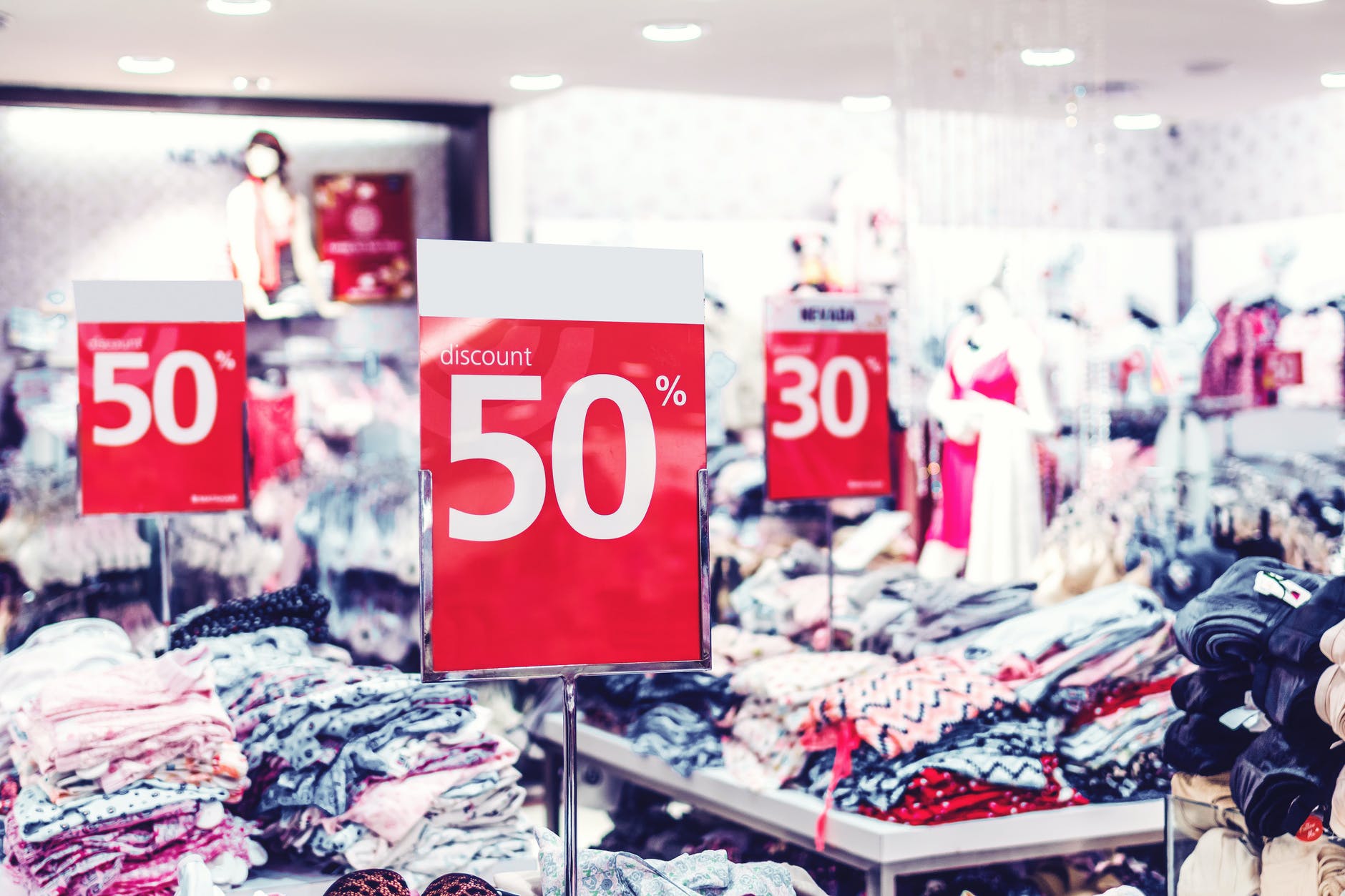
Turnaround specialists have many levers to pull in retail. First, staffing. The issue in retail is when the retailer is struggling, the best is the first to leave. And who is left is often tied in by location or has another issue like lack of documentation. So, the key is to quickly identify and retain the best talent. Second is inventory. Retailers need to secure their inventory, rotate stock, and markdown old inventory. Markdown is not a bad work. Markdowns work if done regularly and effectively. Markdowns do not hurt the normal price either. The markdown is only on aging merchandise and is an effective way to manage inventory while still increasing cash. Fourth, improve technology, and this really came on because of the pandemic. Technology demonstrates itself in many forms; from a great online store, to curbside delivery, to same day home delivery. Finally, the addition of a robust loyalty program has significantly improved sales and customer loyalty. A great program doesn’t mean giving away free stuff. A robust plan is a way to communicate directly and frequently with your consumers. It was critical during the pandemic, and it became a way to communicate sales plans, new products, and store changes.

Outlook Going Forward
Going forward, retailers have a great outlook for the fourth quarter of 2021 and the start of 2022. With all the additional liquidity, the consumer is willing to spend. Also, retailers have moved to provide a comfortable environment as well as effective sales methods. Risks do exist, but right now retailers see what’s coming and have plans to address.
 Maybury Partners, LLC