
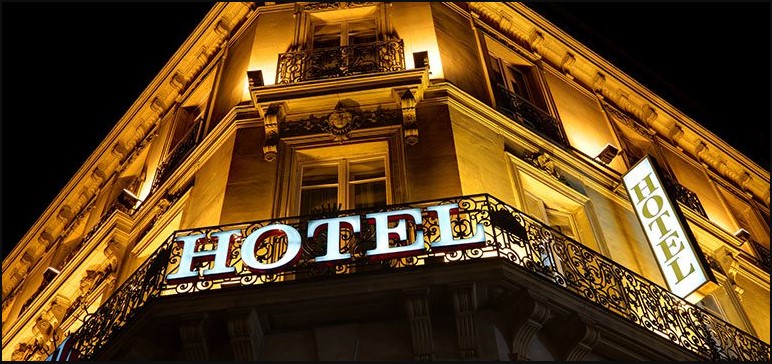
The COVID pandemic has taken a huge toll on the hospitality industry. 2020 marked the worst year ever for hotel performance. 2021 is looking much better, but significant hurdles still remain.

The industry is significant in size and significant in its losses due to COVID. 670,000+ direct hotel industry jobs were lost during the pandemic, and an addition 4,000,000 broader hospitality jobs were lost. Just to put it in perspective, the hospitality industry has 55,000 hotel properties in the US; 1.3 billion guests stay there each year. In the US, tourism accounts for 7.8% GDP and over $760B revenue generated. For a comparison, the auto industry is 3.5% GDP, and employs just over 1.7M individuals. Occupancy at the height of the pandemic was less than 10%.
2021 is looking much better. Occupancy started in January around 40%, and now sits at 55%. Pre-COVID levels were around 66%. Business travel remains at depressed levels, but leisure travel is on a tear.
Challenges

In hospitality, three areas are the biggest challenges: costs, cash, and lending. In terms of costs, labor is a big percentage. However, all costs need to be managed closely. Labor costs are up as are other costs: energy, food, and materials. Everything is up. Labor also has another nuance, which is just a shortage of workers, and unfortunately paying them more isn’t bringing them back. Cash is most critical currently as well. Fortunately, hotels can and are able to charge more, which is helping to offset the costs in many cases. During the pandemic, furloughing employees worked to reduce costs, as well as delaying payments and utilizing the government opportunities from the CARES Act. Hotels were able to defer payroll taxes, apply for PPP loans and other tax benefits. Lending is the last key challenge. Lenders were responding to reasonable and rational requests. Delays and deferrals were reasonable. Arguing and threats were not reasonable.
Options For Turnaround Specialists
Turnaround specialists have a few key levers to pull to help the hospitality industry. Some, I’ve spoken about already such as deferrals of payments and costs. In terms of loans, the delinquency rate has improved significantly this year. In January this year, the delinquency rate was 19% and in August it was 6%. The specialist should look at all aspects of costs (labor, food, materials), as well as loan terms for efficiency.

New Trends
Post pandemic, the hospitality industry is transforming into something that will most likely look different to all of us. One trend that existed thru the pandemic was working from home. That is most likely to continue driving less business trips. Companies are also allowing workers to permanently work remote, which means different cities, which is driving much less travel.

Conference and event spaces generally are still open and underutilized, but we believe this space usage will return. In the interim, the spaces can be used for alternative purposes until the business conventions return.
Another trend is the STRs (Short Term Rentals). STRs are driving travelers out of hotels and into vacant apartments or hotel rooms with kitchenettes and renting by the week or month. Hotels cannot easily be converted to STRs because hotels tend to have smaller square footage and adding kitchenettes is complex. However, even with the challenges, the conversion to residential units is becoming a more pronounced strategy.
Conclusion
Overall, the hospitality sector has gone thru quite a challenge due to the pandemic and quite a transformation. Challenges still remain, namely in business clientele and STR model development.
 Maybury Partners, LLC