
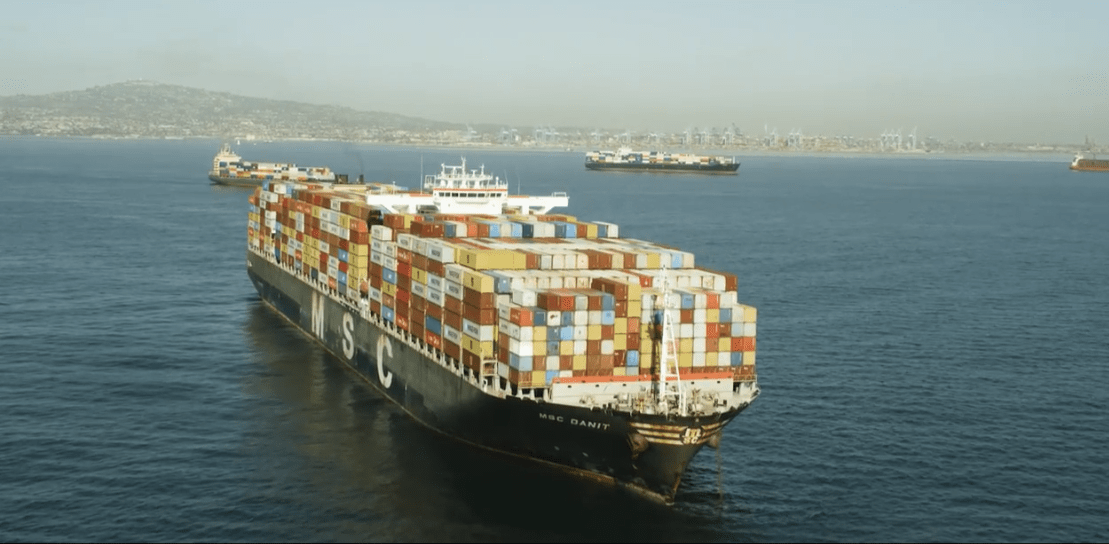
So, by now almost everyone has heard about supply chain issues and the havoc its creating in the US economy. The pandemic has created a crisis virtually everywhere in the supply chain and has affected almost every product imaginable. What’s amazing is that this is normally a pretty consistent and reliable part of our economy, and now it’s difficult to predict when products are delivered, or what will be delivered. There is a major chokepoint right now at the Port of Los Angeles, and maritime shipping and logistics are creating havoc. Its also affecting struggling companies especially hard. Without having predictable product shipments on time and at affordable prices, distressed companies are struggling with where to turn. Turnaround expertise can provide solutions to assist.


Congestion
First, the supply issues can be summed up by one word: congestion. It’s a simple supply and demand issue at its core. For example, there is always a peak season for shipping, typically August thru December. However, by adding in COVID, the economy reopening, and orders just catching up to demand, a major disruption is in place. According to the Wall Street Journal, 73 container ships were waiting to unload just last week. Before the pandemic, it was unusual for ships to wait to berth; the logistics generally were just in time berthing on arrival. Now the waiting is 13 days on average. The Port of Los Angeles estimates that 250,000 containers are waiting on the water.
However, many other issues are present than just the ships that everyone seems to know about. There’s dock space for the ships. Container terminals have capacity. Ships were normally loaded and unloaded in 3-4 days pre-pandemic. Now loading and unloading takes 6-7 days. Port tarmacs normally operate 60-80% capacity, now at 90+%. Off the terminal, trucks need space. Then there’s trucks themselves. The chassis are in critical supply. I’ve never heard of chassis limitations before. Now they are limited. The truck terminals and roads themselves are another factor. As many as 8,000 trucks to carry cargo away from a single ship. The infrastructure to handle the cargo is immense and requires well planned logistics. The Port of Los Angeles estimates a third of trucking appointments to pick up containers go unused across terminals. Rail and rail terminals are also limited. Unpacking and packing at warehouses is also at capacity.

Labor is also an issue, with truckers from out of state being taxed by California. The US state taxation system is creating a labor shortfall because drivers from other states don’t want to pay higher taxes.
Inherent constraints on the supply chain that exist currently are easily overtaxed. In the best of times there’s not much cushion to handle overflow.

Client Reality
In a normal environment, companies get an allotment for shipments. For example, 200 containers a month, $2,000 per container pre-pandemic. Right now this situation is simply not available. Either containers are there, or the cost of each container can run as high as $25,000 with delivery confirmation. A company then will have to go to the spot market to get what they can; maybe some at a lower rate, and some at a higher rate. This puts distressed companies in a difficult position. They can either potentially lose sales or eat into gross margin.
Suppliers are also increasing prices due to demand from COVID and increasing stock. Factories are busier than ever. There’s working capital issues, and stock stuck at plants. Due to higher freight for suppliers as well, their factories are unsympathetic. In the past distressed companies could stretch payables. Now factories aren’t required to accept or may require a deposit. Distressed companies need to be very, very careful in this environment.

Actions Available
Many actions are available to distressed companies, and this is where the turnaround specialist can help. First, the end customer, wholesaler for retail, may need so badly, may say just get a container we will pay premium. For example maybe $5K normally, now $20K. A customer says we’ll pay the $15K difference. Great result, but not many will do this. At least its worth exploring. Second, price increases are possible and everyone should probably do this. However, not all customers will accept. Those that do typically have 60-90 day lead time before go into effect. Also difficult time dealing with container price and product price increase. How often go back to customers with increase. Third, If a customer wants containers they will have to pay. But pay thoughtfully. What should customer compromise on — Gross margin or sales? My view is to give up some margin to protect sales. I want long term customers and want to preserve sales. So set parameters on what margin willing to take, and importance of customer. How important are they? Understand the impact of lost business. Paying and paying thoughtfully. Finally, customers should lean on factories as much as possible. Factories have been willing to help find containers. The environment is very collaborative if customers want to keep a company’s business. . They also have their own need to get product out for new product to be manufactured.
Overall, there many actions that companies can take to overcome supply chain issues. It requires expertise and thoughtfulness to be successful.
 Maybury Partners, LLC